
Tian Feilong
This case has played, and will continue to play, a crucial role in shaping and reinforcing the social and political foundations of "patriots administering Hong Kong," as well as fostering unity and cohesion in Hong Kong society following Legislative Council elections.
Around the time the judgment in the Jimmy Lai case was handed down, the Legislative Council completed its second election under the new electoral system. Meanwhile, the Democratic Party - once the largest opposition group in Hong Kong - ultimately announced its dissolution, signaling a renewal and iteration of Hong Kong's democratic and rule-of-law development.
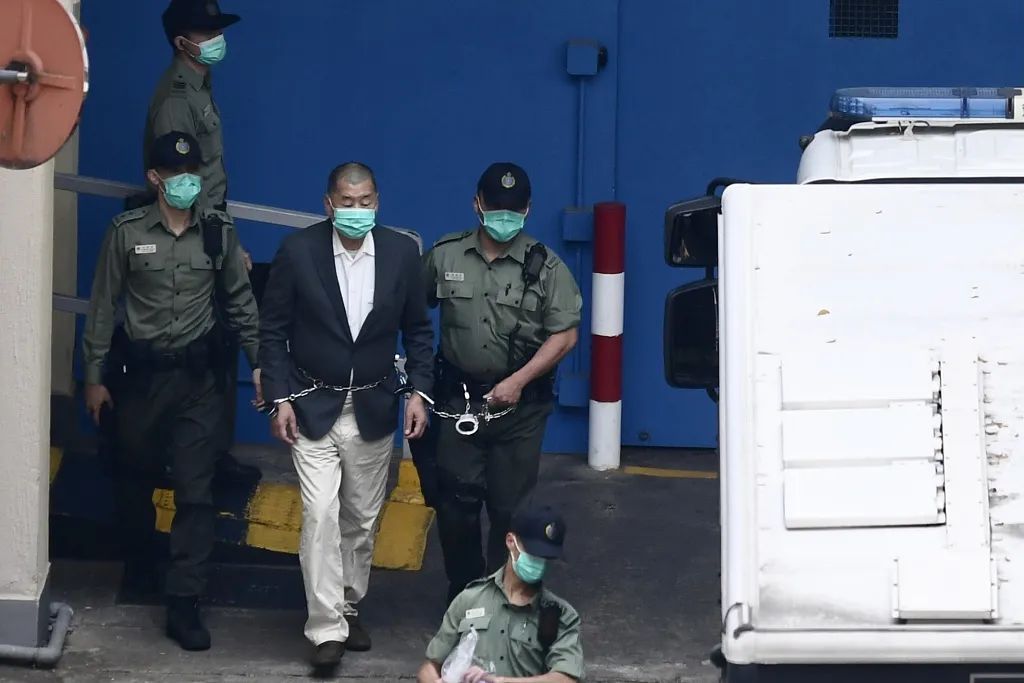
Facts speak louder than rhetoric; legal reasoning prevails over rumor. Every detail and the judicial outcome of the Lai case constitute proof of Hong Kong's judicial independence and the authority of its rule of law. Lai has enjoyed full protection of human rights and procedural rights throughout Hong Kong's judicial proceedings, and during his lawful detention, he has also received adequate human rights and humanitarian treatment. These judicial details underscore the normativity and vitality of Hong Kong's rule of law, but also the steadfast commitment of the HKSAR government and Hong Kong society to upholding judicial independence and the core values of the rule of law.
As the judicial process in the Jimmy Lai case concludes, the interaction and integration between the National Security Law and common law for Hong Kong will enter a new stage. The influence of Hong Kong's national security precedents within the common law system, as well as their exemplary role in global rule of law, will become even more prominent, and the legal foundations, authority and vitality of "One Country, Two Systems" will grow stronger and more resilient.
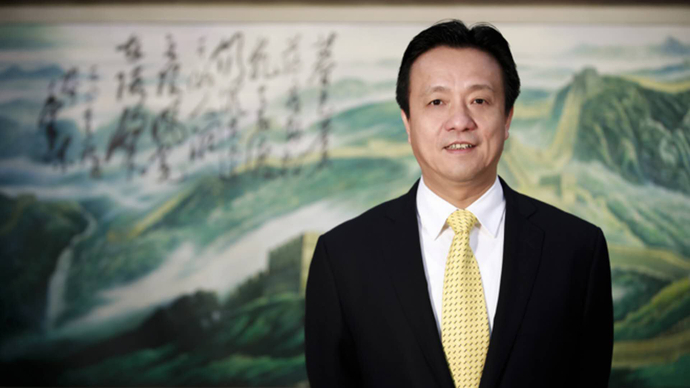
The author is a vice-dean of the Law School of Minzu University of China in Beijing and director of the Chinese Association of Hong Kong and Macao Studies.


香港新闻社
有视界·有世界

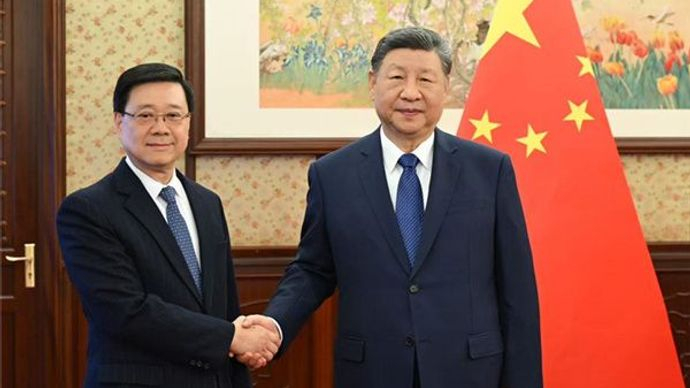
习近平听取李家超述职报告


李家超邀社区客厅家庭礼宾府开派对 共度温馨圣诞

日媒:丰田决定在上海建厂 生产100%电动汽车

全球南方9国明年正式成为金砖伙伴国

李家超分享礼宾府圣诞装饰 祝愿平安喜乐

香港国安处通缉钟剑华等6人 悬赏100万

邓炳强:将向法庭申请没收许智峰犯罪得益 市民不应与潜逃者有任何金钱瓜葛